
















EU looks to fix its China headache as ethical questions grow at home

The post EU looks to fix its China headache as ethical questions grow at home appeared on BitcoinEthereumNews.com.
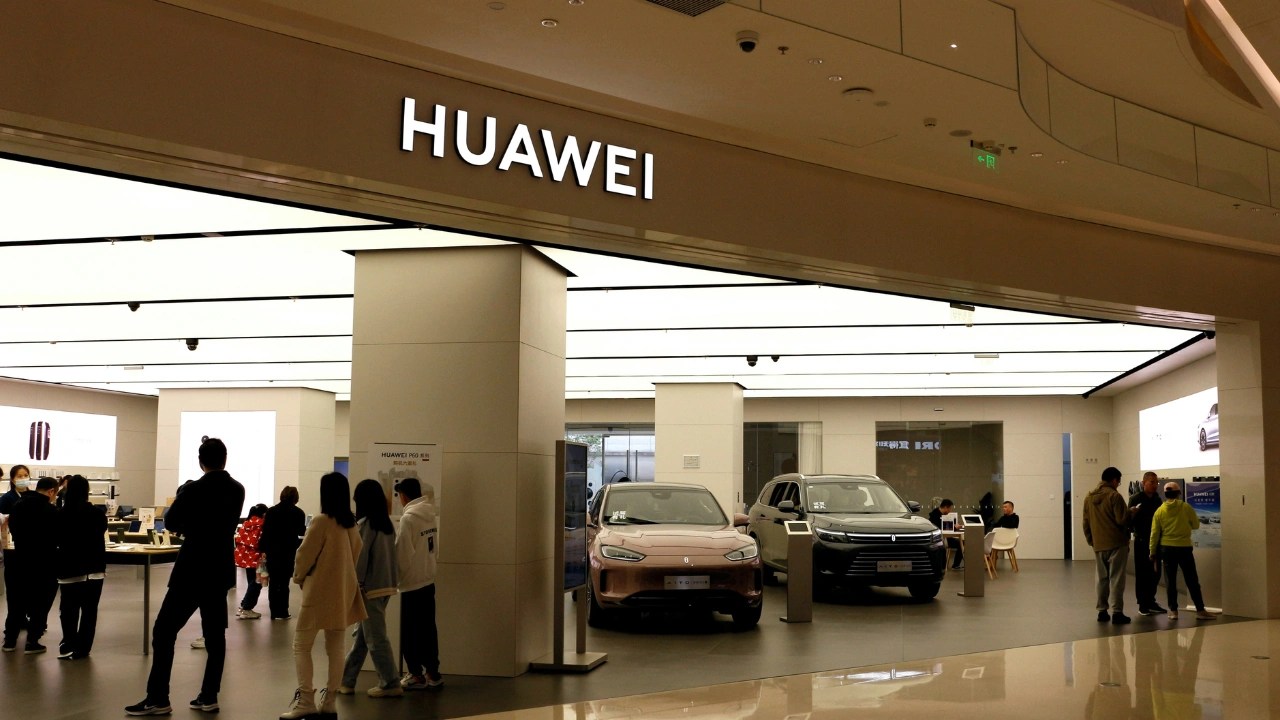
European Union leaders are working around the clock to resolve a growing trade dispute with China, which has left the bloc caught between Beijing and Washington. The trade tensions began when China imposed strict limits on the sale of rare earth materials to other countries. This move followed similar steps taken by the United States against China. Many European companies need these special minerals to make electric cars and military aircraft. The situation worsened when the Netherlands acquired a computer chip company called Nexperia from its Chinese owners. China fought back by stopping sales of Nexperia computer chips that were finished in Chinese factories. This has worried European car makers and other businesses that depend on these chips for their products. EU officials are now attempting to rectify the issue. Olof Gill, who speaks for the European Commission, stated that a group of “high-level technical experts” from China will visit Brussels on Thursday. He added that preparation talks already started yesterday. Trade tensions escalate over rare earths and chips European Commission President Ursula von der Leyen announced over the weekend that she has a new plan to produce more rare earth materials in Europe and source them from various countries. She has not shared the details yet. Von der Leyen also suggested the EU might use its strong anti-coercion tool if needed. French President Emmanuel Macron brought up this same idea during a European meeting last week, according to several EU officials. German foreign minister Johann Wadephul went to Brussels yesterday to work with the commission after he called off a planned trip to China because of the growing problems. “Protectionism is spreading,” Wadephul told reporters after the meetings. “Global tariffs and trade conflicts, as well as seemingly arbitrary export restrictions and export licensing procedures, threaten global free trade and…