
From 40 Meetups a Month to Nationwide Freedom: Bitcoin Indonesia’s Real-Life Comeback
Bitcoin Magazine
From 40 Meetups a Month to Nationwide Freedom: Bitcoin Indonesia’s Real-Life Comeback
Boasting 40 meetups a month and a broad estimated community of 55,000 bitcoiners, the Bitcoin Indonesia ecosystem might be one of the most active and successful Bitcoin adoption stories in the world today.Â
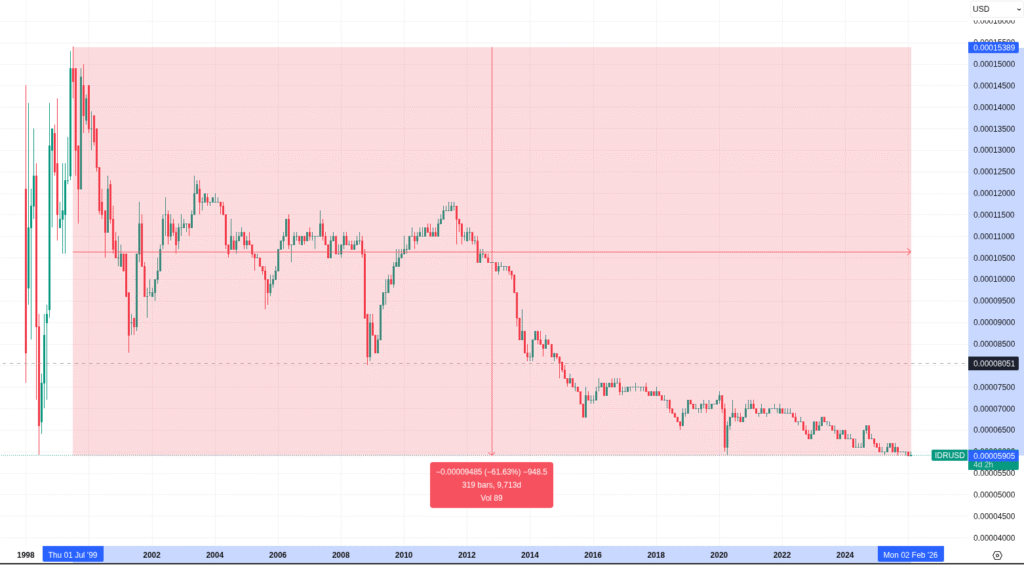
Indonesia is a nation made up of 17,000 islands with over 380 different tribes and cultures. The nation, located between Australia and China, has a population of over 280 million people, which has been ravaged by inflation and monetary repression, seeing the Ruphia collaps 61% since over the past 30 years versus the dollar. As a result, its population is keenly aware of the problems with fiat currency and often open to alternatives, fertile ground for Bitcoin adoption.Â
Today, the Bitcoin Indonesia circular economy has multiple ongoing education and adoption efforts across the country. According to Dimas, a former materials science engineer turned Bitcoin evangelist and one of the founders of Bitcoin Indonesia, there are roughly 55,000 people engaging with Bitcoin in one way or another through their efforts. The 40 meetups a month are hosted across 40 different cities throughout the country, with Fedi, Blink, and Wallet of Satoshi as popular wallets. Bitcoin Indonesia’s Fedimint Federation — a Bitcoin ecash payments infrastructure — is estimated to have between 10,000 and 20,000 members, though specific numbers are not available given ecash’s strong privacy properties.Â
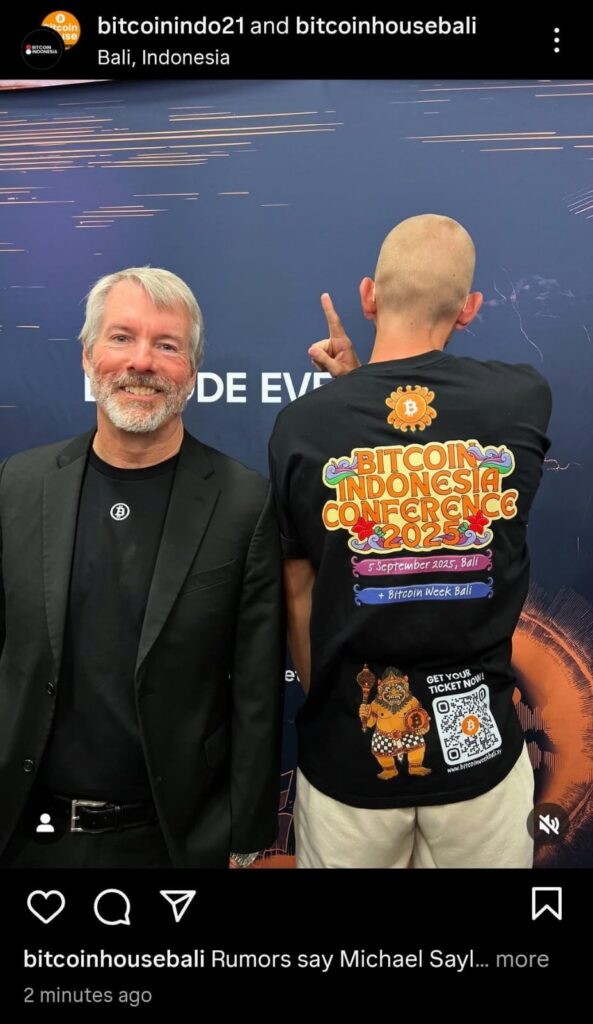
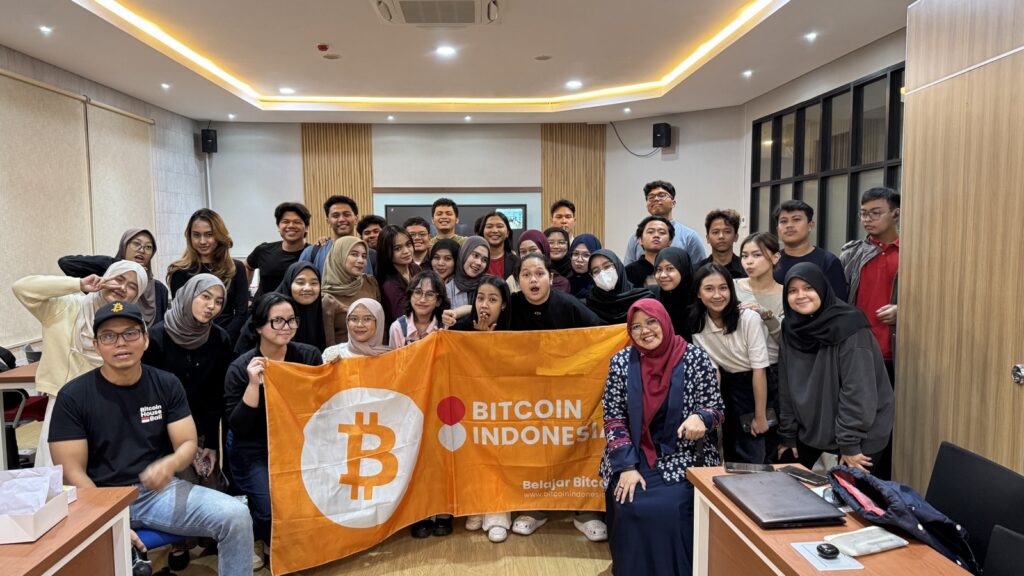
They have over 3,600 members in Telegram, over 27,000 on Instagram, and over 10,000 on TikTok, social platforms through which they distribute Bitcoin education content in a mix of Bahasa Indonesia and English to the local population. They are also one of the biggest My First Bitcoin nodes, having graduated 500 students by 2025 of the Bitcoin certification and education program originally born in El Salvador. They aim to double the number of graduates by the end of 2026.Â
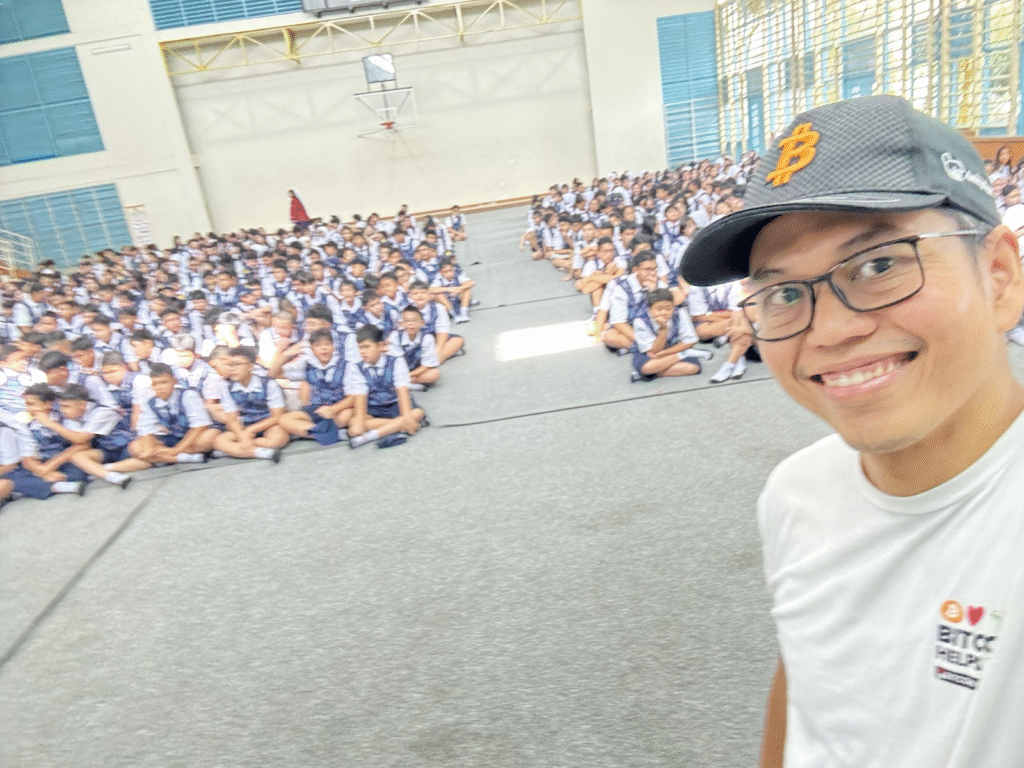
We visited 700 middle school students at Taruna Bakti Foundation in Bandung, Indonesia
— Bitcoin Indonesia (@bitcoinindo21) November 19, 2024to teach them about Bitcoin. DM us if you’re interested in organizing it at your school/university. See you!
#bitcoin #bitcoinadoption #bitcoinforindonesia #indonesia pic.twitter.com/ecvGXqeNUu
Surviving a Government Ban
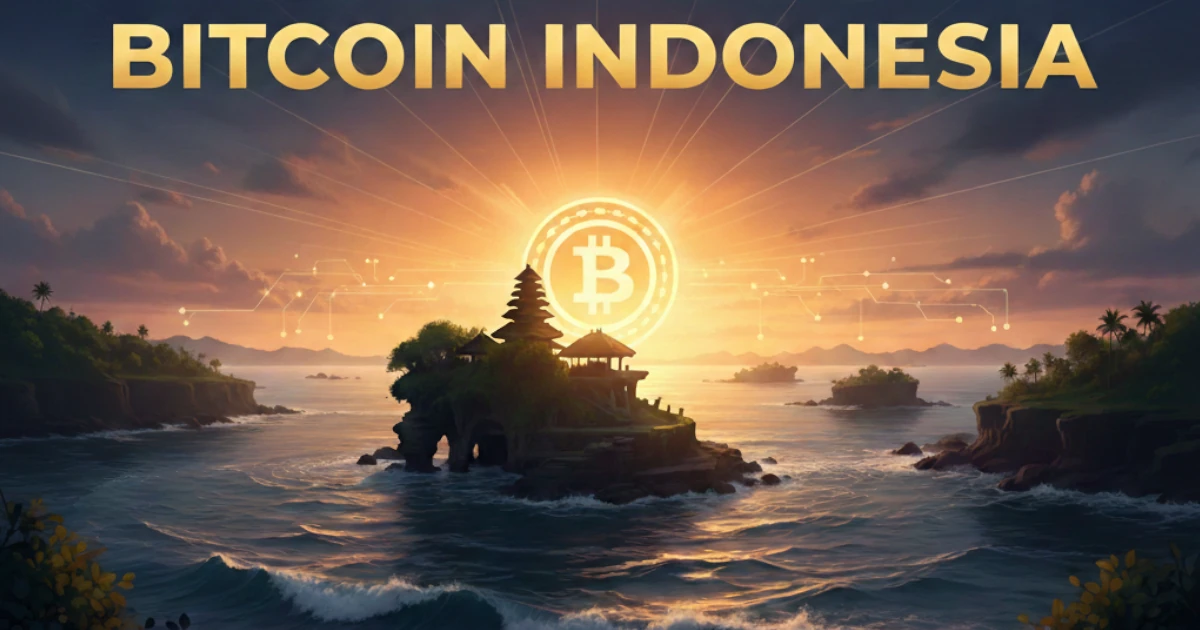
While Bitcoin Indonesia’s success is impressive, it is not the first time Bitcoin adoption has swelled in the country. Back in 2014, there was a Bitcoin adoption initiative that got some international attention called the Bitcoin island, which focused primarily on the beautiful tourist island of Bali. The initiative saw as few as 42 merchants accepting bitcoin up to ‘hundreads’ according to Dimas, including the purchase of a high-profile luxury villa with bitcoin, worth $500,000 at the time or 800 BTC.Â
The momentum and adoption must have been strong because the Indonesian government responded to it, but not well. In 2017, the government unleashed a crackdown on alternative currencies in the country by the Bank of Indonesia, which issued a Regulation banning cryptocurrencies like Bitcoin as payment instruments, effective January 2018. It did not just target cryptocurrencies but also foreign fiat currencies like the dollar or euros for payments. The BI cited risks to financial stability, money laundering, and volatility, guaranteeing in turn the continued impoverishment of its population under a collapsing Ruphia. The crackdown was no paper tiger either; businesses advertising alternative currencies like Bitcoin saw undercover probes lead to shop closures under the threat of arrest and even jail time for operators.
The crackdown coincided with the 2017 bitcoin bull market as well, which saw on-chain fees go as high as $50 dollars, an economic event in Bitcoin which shook the industry and led to the development of the Lightning Network, designed for high-speed, low-cost payments and which is used today throughout Bitcoin Circular Economies. As a result, however, adoption quieted down for years in this asian nation of islands, until after COVID hit, when the founders of the Bitcoin Indonesia community thought of a new way to spur bitcoin adoption in the country.
Motivated by the post-COVID political and economic crisis, as well as the meteoric rise of bitcoin from a low of $4,000 to as high as $70,000, a small group of Indonesian Bitcoiners kickstarted the local Bitcoin community again, using a new legal strategy that had protected credit cards and airmiles rewards programs from the 2018 legal restrictions. Turns out if your payment system is a “closed loop†then you are not a ‘currency’. Bitcoin ownership was still legal as a store of value; it was only the medium of exchange usage that was restricted. But if instead of buying something with bitcoin you are redeeming bitcoin for a product or service, then it is, legally speaking, a fair game. This loophole, which protects the local banks and other major legacy financial players, also gave cover to Bitcoin.Â
Here’s Fedi came in to provide infrastructure, leading to an actively used Bitcoin ecash mint, estimated to have 10,000 to 20,000 members. In Bitcoin Indonesia, people don’t spend bitcoin; they redeem it in stores that are members of the network, keeping the use of bitcoin legally compliant with the local laws, while unlocking merchant adoption.Â
With the legal strategy sorted out, it was a matter of reactivating the network of Bitcoin OGs in the country, many likely created in that 2014 era of “The Bitcoin Island†in Bali. One moment in particular stood out to Dimas, looking back at the bootstrap phase of the community. He reached out to a local “Bitcoin whale†and mentioned he wanted to start a local My First Bitcoin node. Soon enough, the whale got back to him and offered a commercial location at a nearby mall to host the events; “owned by a son-in-law,†he said, “you can use it for freeâ€. Stunned, Dimas asked, “Does he own the store or something?†The whale said, “No, he owns the mallâ€. An example, Dimas says that “anything can happen in Bitcoinâ€. This same initiative eventually led to the 500 students graduating from the My First Bitcoin program in 2025.
Pillars of a Successful Bitcoin Meetup
Leveraging his experience in the broader crypto industry, hosting education events for exchanges like Tokocrypto in 2021, Dimas and the local community also started hosting Bitcoin meetups. Unlike much of the competition in the country at the time, these educational events were free rather than costing attendees hundreds of dollars to access. Eventually, Bitcoin Indonesia developed a template for creating successful Bitcoin meetups, which they published as a guide on GitHub for free.
The main pillars of a successful meetup, according to Dimas and the Bitcoin Indonesia community, are:Â
- Be a genuine Bitcoiner with solid knowledge.
“First, you have to be a Bitcoiner. You have to know enough about Bitcoin.†Dimas explained. The leader must have a real understanding to educate and inspire others authentically. - Be willing to become a long-term community leader.
“Second, you are willing to become a leader, which means that you should be able to expand. Manage your community, and make it bigger. You don’t just run meet up and that’s it. You have to become like a role figure in your area.â€
Success requires ongoing commitment beyond one event. It means being publicly visible, building, growing, and owning the local Bitcoin presence.
- Secure a free venue with no barriers.
“Third one, you have to find a place, a space, ideally a cafe… that attendees don’t have to pay to attend. There can’t be a minimum order of coffee or something like that.â€
The location must be zero-cost and welcoming (no minimum spend), removing financial hurdles so anyone can attend.
- Provide free branding and materials (with reimbursement).
“We provide the leaders with the flag, with the books, flyers, stickers, banners, and everything. So they print it themselves, and then we just reimburse them.â€
Marketing and infrastructure support, like flags, books, flyers, etc, make the event look professional and consistent, while reimbursement keeps the leader motivated. Eventually, donations can support growing meetups.Â
- Keep it completely free for attendees.
“Our brand is free, free meetup, free education.â€
Charging for education, like competing crypto academies that charge $1,000–$2,000, creates expectations of quick returns and often leads to disappointment or scams. Free access builds trust and rapid growth. - Focus on Bitcoin and financial literacy.
“We try to teach that Bitcoin is a tool that can literally empower you. That’s Bitcoin for everyone. First, what is money? And then what is the history of the Indonesian Rupiah? Why are you feeling so poor? And how Bitcoin can be one of the tools that can help people to achieve true financial freedom.â€
By teaching people financial literacy, they become inoculated against Ponzi schemes and other crypto scams, which have ravaged the country and seeded broad skepticism in the public towards this industry. Teaching people about the history of money and specifically their local currency helps them understand why Bitcoin can help them rise and break the cycle of fiat collapse.Â
The Bitcoin Indonesia circular economy has been supported by HRF, OpenSats, Block.xyz, and Mike Petersoin of Bitcoin Beach fame.
This post From 40 Meetups a Month to Nationwide Freedom: Bitcoin Indonesia’s Real-Life Comeback first appeared on Bitcoin Magazine and is written by Juan Galt.