
Bitcoin faces a 90-minute Fed shock as CPI and Warsh testimony collide today
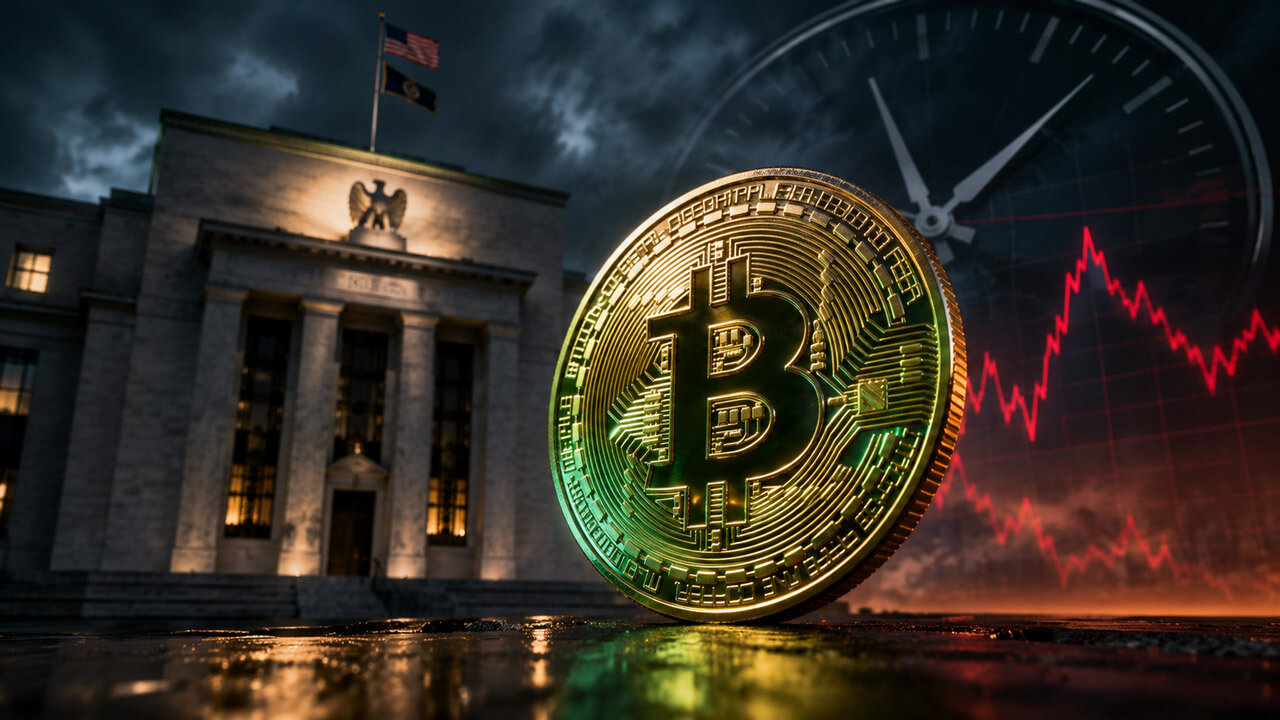
June inflation arrives at 8:30 a.m. ET today, and it should be the friendliest number the market has seen all year. Economists expect headline CPI to slow to roughly 3.8% year over year from May's 4.2%, with the monthly index forecast to decline by about 0.1% to 0.2%.
Almost all of that improvement traces back to US pump prices falling about 10% in June, which BMO chief economist Douglas Porter called the fourth-largest monthly decline in a decade.
Gasoline got cheap because the Strait of Hormuz reopened during the June ceasefire between Washington and Tehran. Over the weekend, President Donald Trump reinstated the blockade on Iranian shipping and demanded a 20% fee on all other cargo moving through the waterway.
Oil settled more than 9% higher on Monday, with Brent closing at $83.30 and WTI at $78.14. Brent then climbed above $87 in Tuesday's session, after beginning the month near $67.
Bitcoin traded near $62,200 on Tuesday, down about 3% over 24 hours, after a Monday range from $64,273 to $61,794.
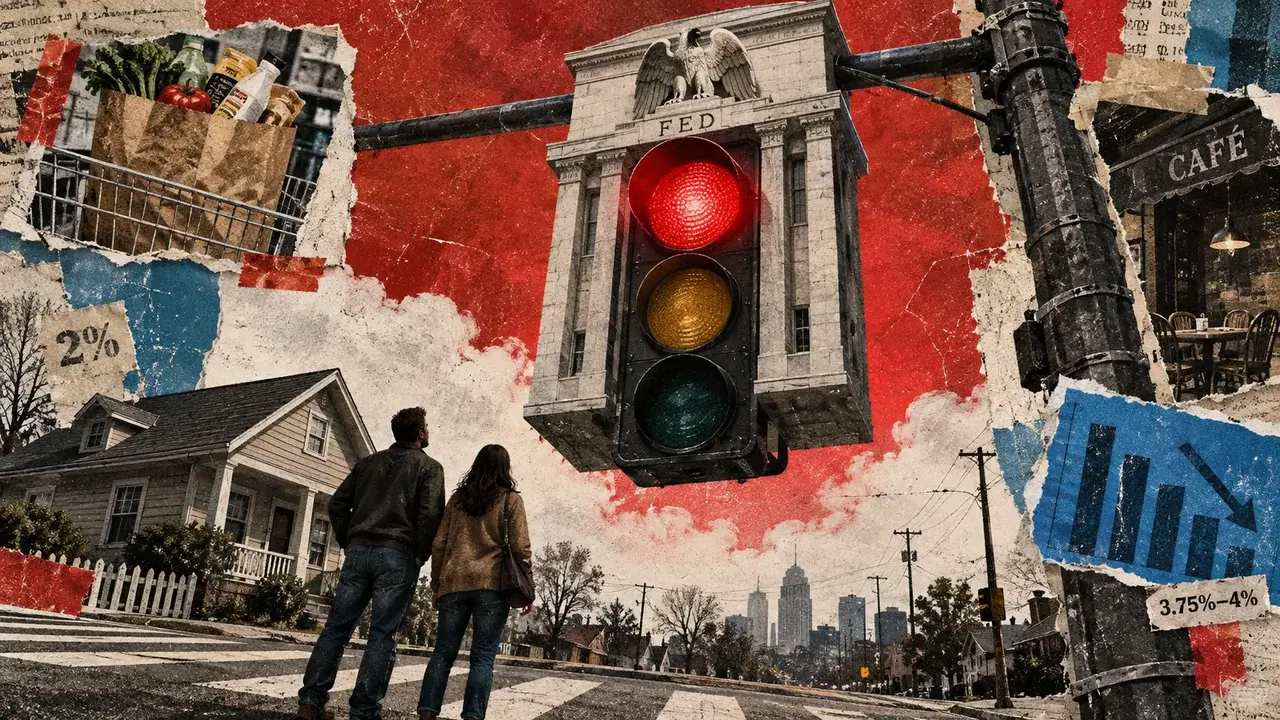
Ninety minutes after the BLS data lands, Fed Chair Kevin Warsh takes his seat before the House Financial Services Committee for his first semiannual testimony, where lawmakers will ask him to interpret a backward-looking inflation print as markets focus on what comes next.
Warsh gets to decide what the number is worth
However, when you strip out food and energy, inflation barely moved. Core CPI is expected to land between 2.8% and 2.9% year over year, against May's 2.9%, and the Cleveland Fed's nowcasting model puts it at 2.85%.
Renewed oil-driven inflation fears had already pushed Treasury yields higher before the CPI release. The two-year yield rose to about 4.28%, its highest since early 2025, while the 10-year moved above 4.6%.
Money markets now assign a 40% to 50% probability to a rate hike at the July 28-29 meeting, depending on whether you take CME FedWatch or Bloomberg, and that's a pretty big spike from the 10% chance estimated at the beginning of last week.
Fed Governor Christopher Waller was the one who supplied the trigger, warning the central bank may need to raise rates if core inflation runs hot.
None of this was even in the conversation around inflation in March, when most policymakers still penciled in a cut.
By the June 17 decision, which passed 12-0 and held the target at 3.50% to 3.75%, the median had flipped to a hike, and 17 of 18 officials judged that inflation risks tilted upward. Minutes from that meeting showed that a few participants saw a case for raising rates, although every participant supported holding the target range steady at that meeting.
Bitcoin's recovery earlier this month was built on the assumption that a softening labor market would force the Fed to relent. However, that assumption has been unwinding since the new blockade was announced.
Bitcoin's recovery earlier this month was supported partly by expectations that a softer labor market would eventually push the Fed toward easing. That assumption has been unwinding since the new blockade was announced.
Warsh has spent his first two months in office dismantling the tools that would usually explain his thinking. He cut the FOMC statement to about 130 words, removed forward guidance, and declined to submit his own dot. That's why the answers he gives under questioning will carry an unusual amount of weight.
He can treat a sub-4% headline as real progress and let July stay a hold, which ING analysts argued Monday he has cover to do. He can also point at sticky core, $85 Brent, tariffs, and call the June improvement an artifact of a ceasefire that no longer exists.
Bitcoin won't be immune to this, and we can expect at least a modest reaction from the market as the week progresses.
Hawkish language lifts rate expectations, the dollar and short-dated yields, tightening financial conditions and draining demand from the far end of the risk curve. Risk appetite is already soft, with US spot Bitcoin ETFs recording $424.7 million in net outflows on Monday.
If Bitcoin reclaimed $64,000 and held it as support, it would suggest traders treated the day's events as relief. A break below $61,700 would instead expose $60,000 as the next major support level.
The report will say that June was a month of falling energy costs after an unusually brutal spring, which is true. July so far is a month of a newly closed strait and oil back above $85, but the report will not capture that reversal.
Warsh is the only person today with standing to tell Congress which of those two months the Fed is setting policy against.
The post Bitcoin faces a 90-minute Fed shock as CPI and Warsh testimony collide today appeared first on CryptoSlate.