
The Pack Is the Painting: Evil Biscuit and the Schizocollage Movement Come to Hong Kong
Bitcoin Magazine
The Pack Is the Painting: Evil Biscuit and the Schizocollage Movement Come to Hong Kong
In 1956, at an exhibition hall in Tokyo, a Japanese artist named Saburō Murakami ran through a row of paper screens, leaving a torn, human-shaped hole in each one. The audience heard the rip in the moment but likely didn’t understand it.
Murakami belonged to Gutai, the radical postwar avant-garde collective whose members painted with their feet and fought with mud, and his gesture made an argument the art world is still digesting, but ultimately the tearing and the wreckage after were the actual artwork.
Seventy years later, the ripping hasn’t stopped. Trading card livestreams, Discord server groups, collector markets of all sorts, gambling/flipping, and nostalgia freebasing. Layered detritus. The artist named Evil Biscuit seems aware of this.
If you haven’t heard of Evil Biscuit, you may not have been watching one of the strangest and most vital corners of internet art. Over the past few years, a scene of mostly pseudonymous artists, formed across crypto subcultures, Twitter timelines, and private group chats, has been quietly staging one of the more genuine artistic rebellions of the decade.
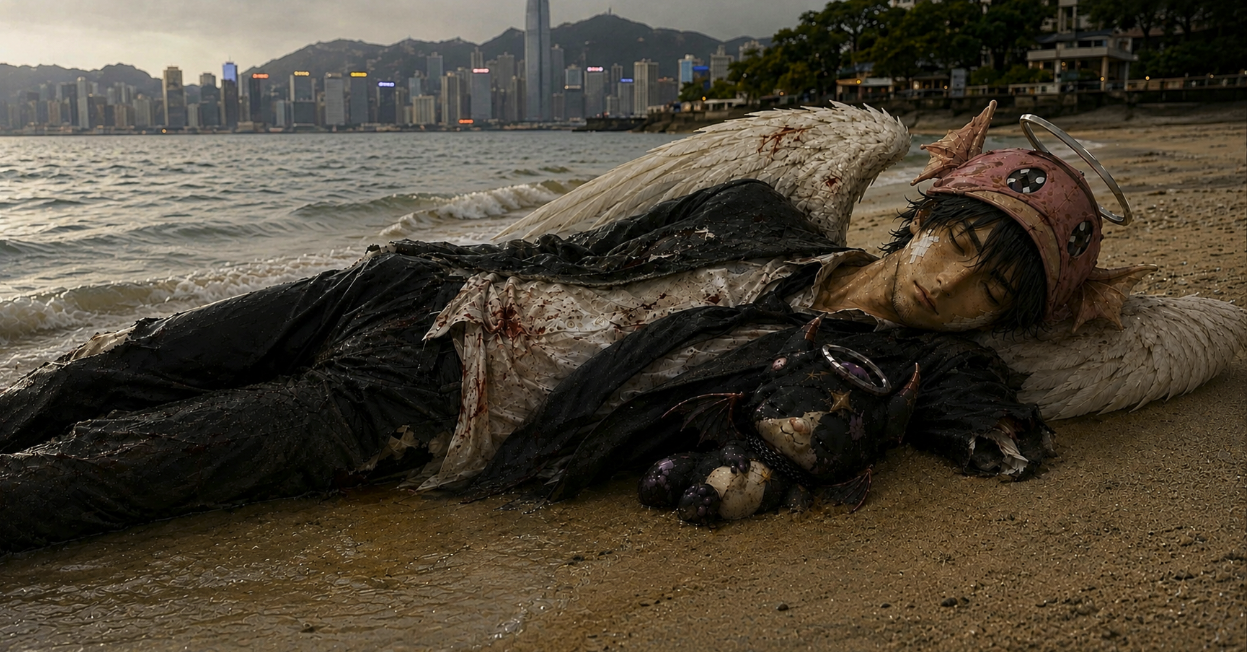
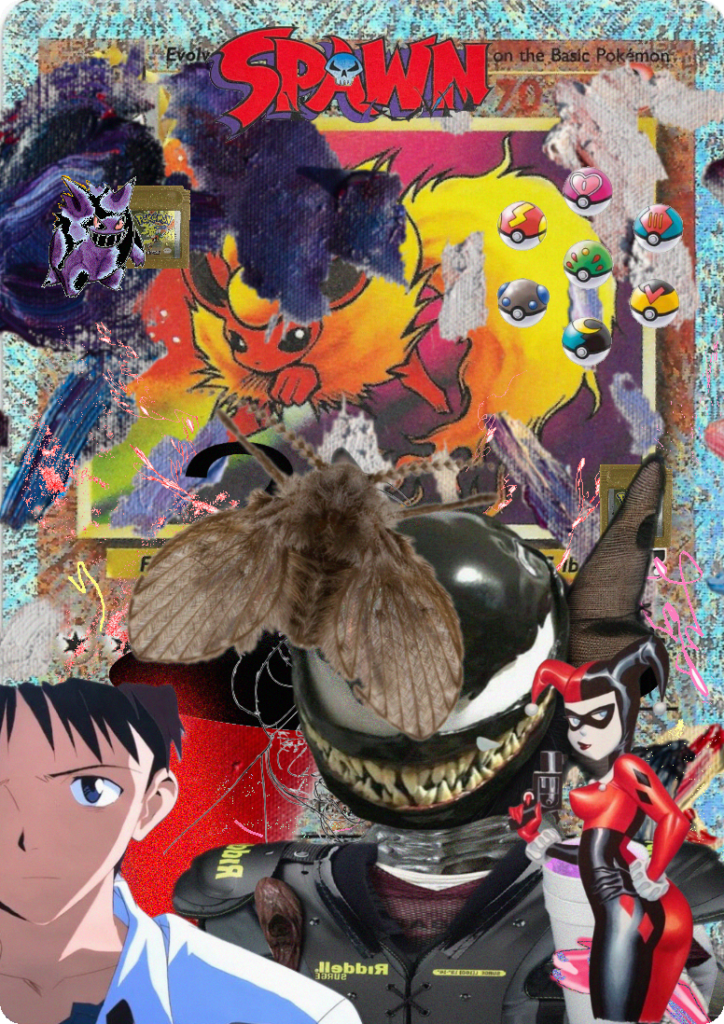
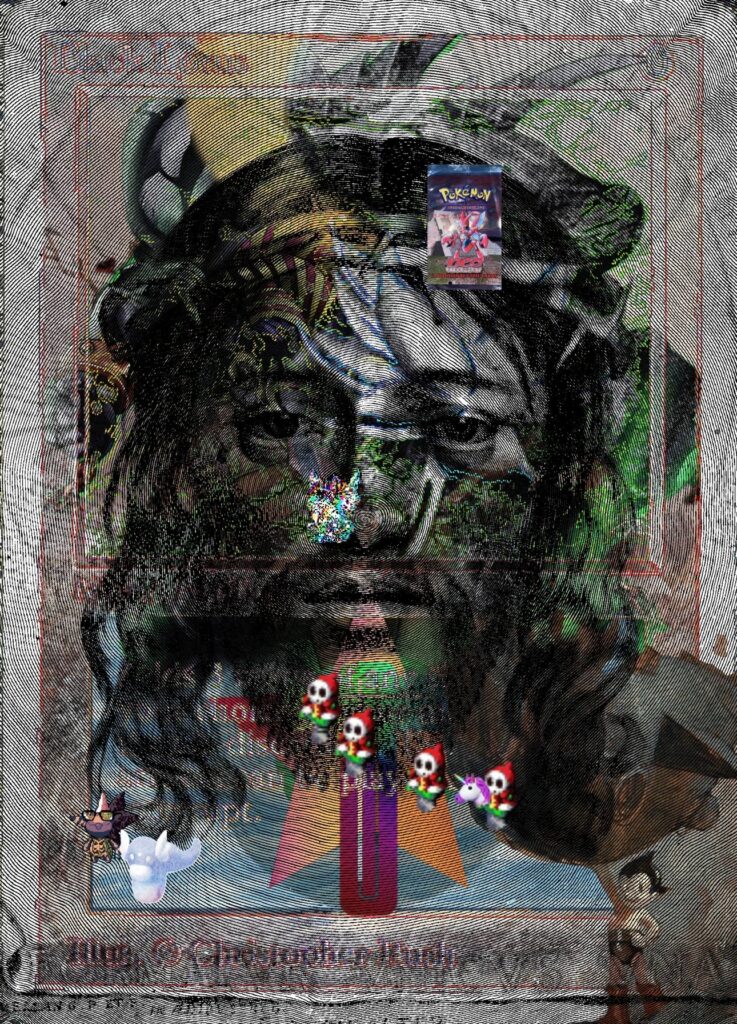
Where the establishment crypto-art world courted galleries with polished generative work, these artists went the other direction. Images so dense with meme references, anime, veiled art history, and internet debris that critics had to invent new words for them. They called the style schizocollage or traitmaxxing, a practice of taking the trait system that generates ordinary avatar collections and pushing it past its breaking point, hundreds of layers deep, until the image verges on chaos.
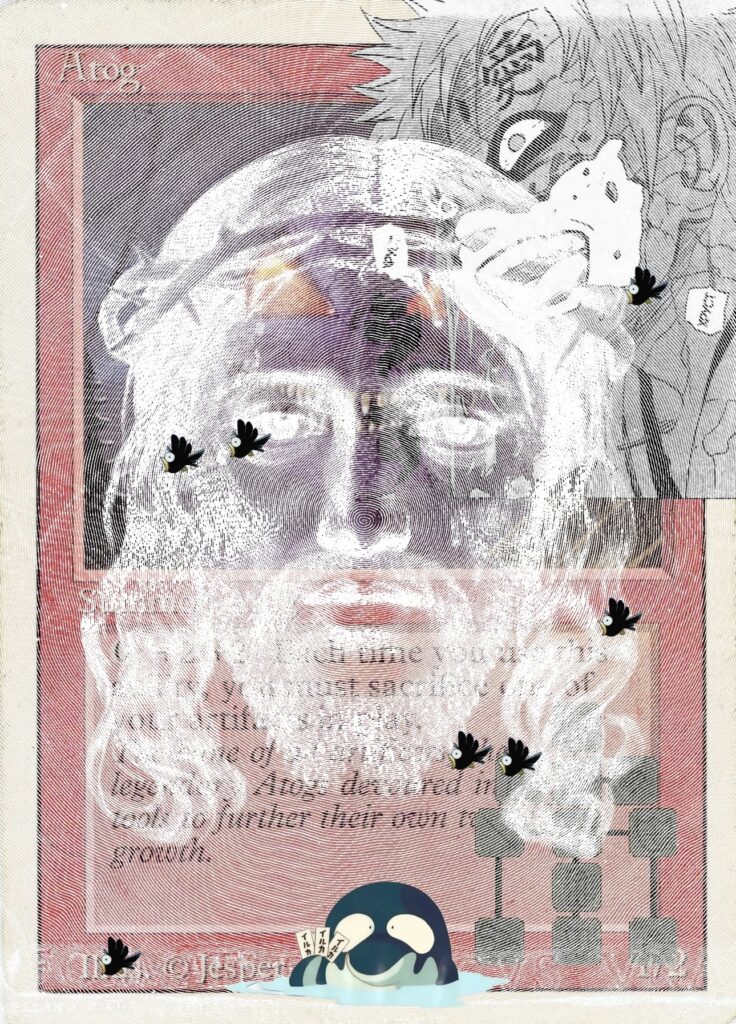
Critics started paying attention. In Spike Art Magazine, Dean Kissick placed the work in the lineage of deliberately “bad painting”, a tradition with serious credentials: Marcia Tucker staged ‘Bad’ Painting at the New Museum in 1978, arguing that wrongness, handled deliberately, is a form of freedom. Right Click Save filed dispatches from what it called the Avant NFT underground. And the movement’s participants, with characteristic self-mockery, settled on their own name for it: Avant/Gay.
Near the center of the scene sits Biscuit. His Drifella collections are widely cited as its defining works, and artist Parker Ito, the post-internet veteran who crossed over into the movement, credits Drifella 2 with establishing the aesthetic the whole scene became known for, and went on to collaborate with Biscuit on last Halloween’s Heavy Liquid Graphic. The endorsement cuts both ways: the art world is starting to take this seriously, and the scene got there without asking anyone’s permission.
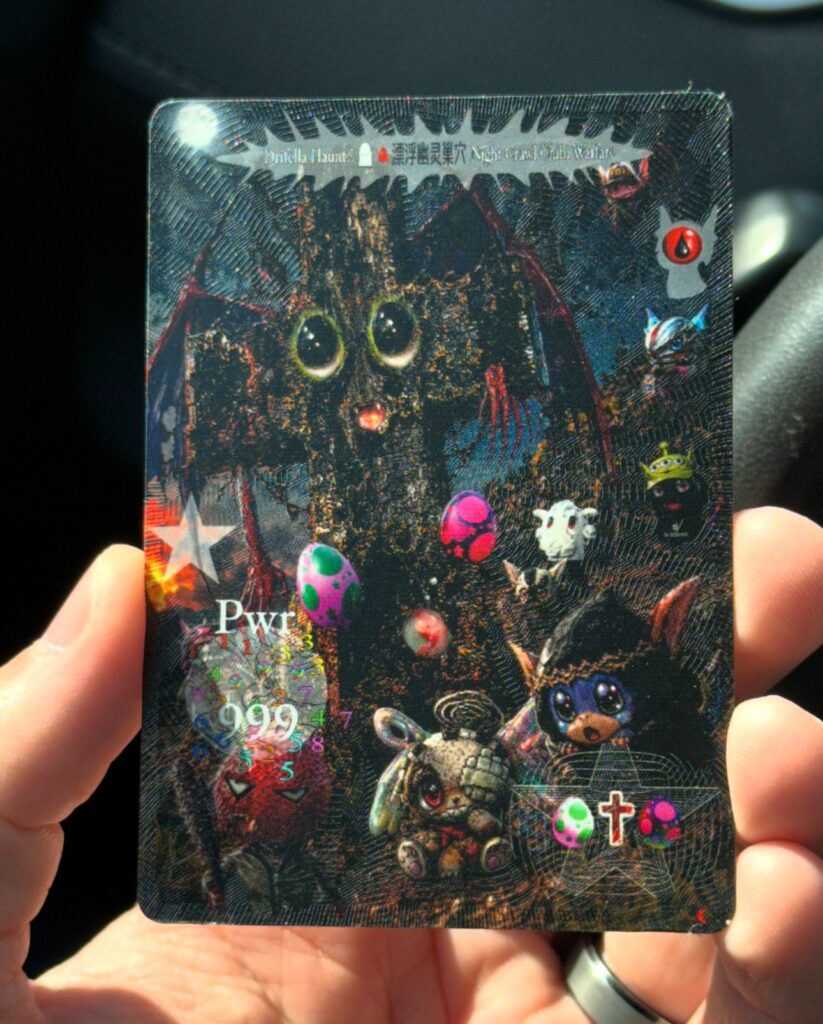
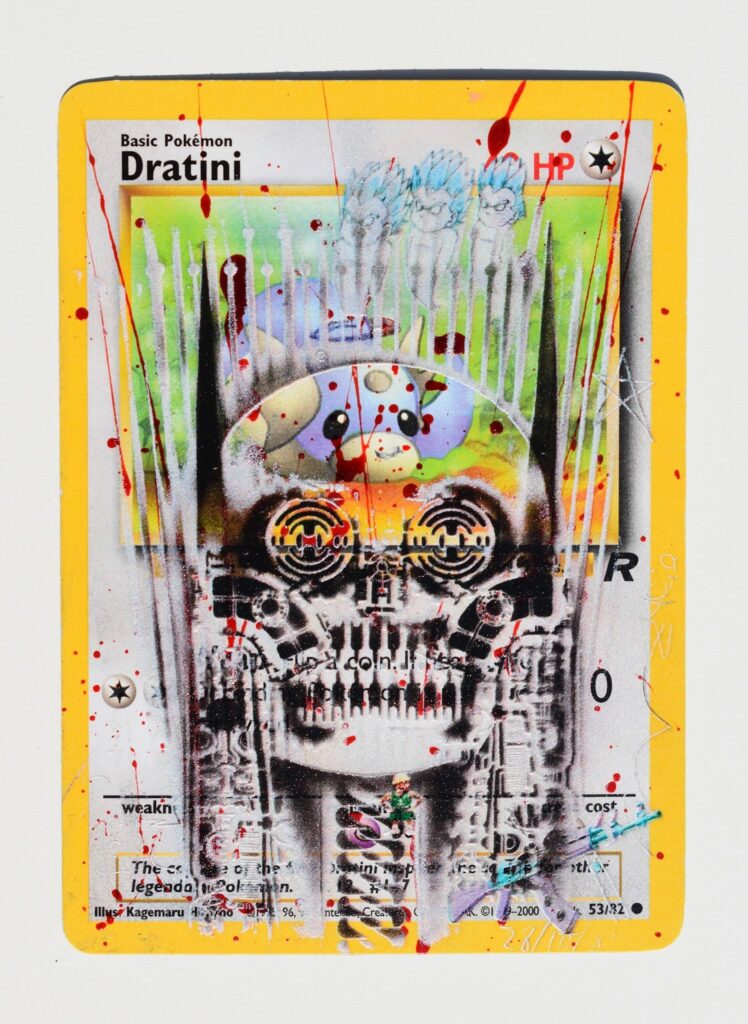
Lately, Biscuit’s work has been escaping the screen, and the destruction has gotten literal. His current project, Card NFT 2, debuted with preliminary ‘Framed Cards’ through SOLOS Gallery at Felix Art Fair this February. And earlier this summer he made roughly eleven thousand cards, sold in packs, each digital card redeemable for a physical one if the collector is willing to burn the NFT to get it. For the rarest tier, as he told Peter Bauman at Le Random, he takes vintage holographic Pokémon cards, dissolves the ink off them with acetone until only the bare silver foil remains, then UV-prints entirely new artwork onto the wreckage. Saburō Murakami would understand. One theme runs through everything Biscuit makes: “destruction, death and rebirth.”
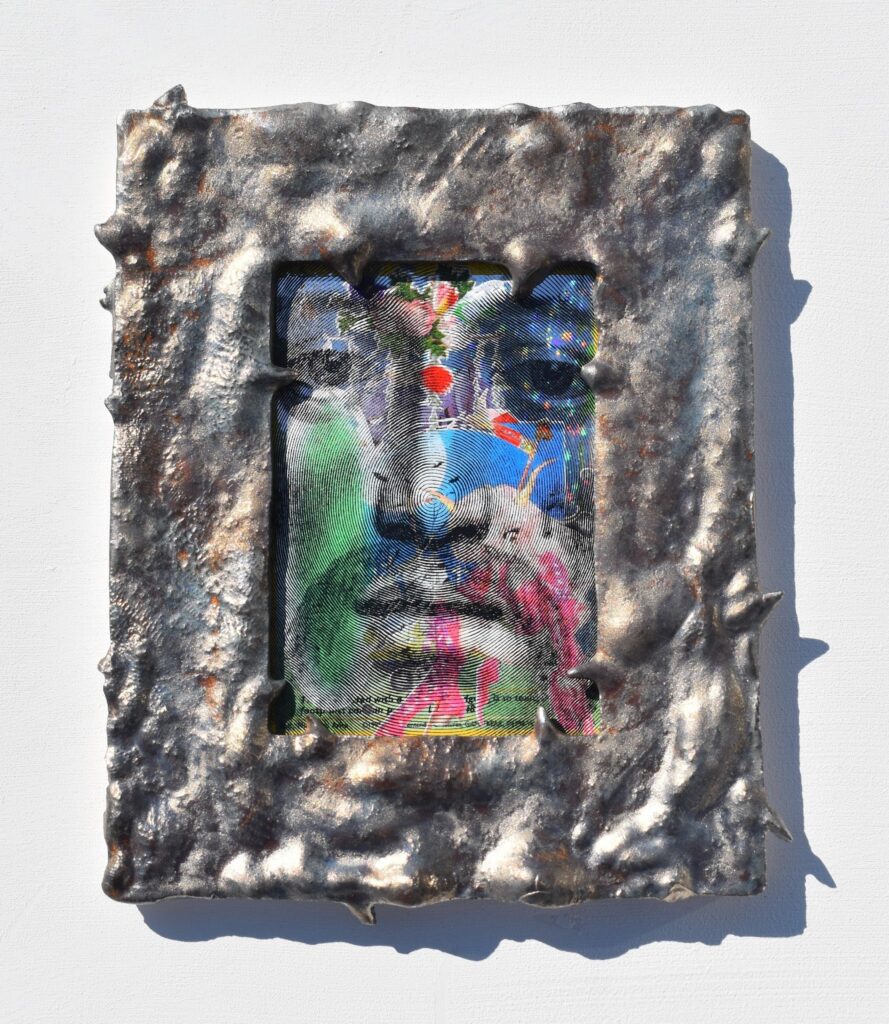
Now Biscuit’s art is headed to Hong Kong. He is contributing to the Bitcoin Asia 2026 conference card pack produced by the artist Rax, where his cards will sit alongside work by Ariamis (formerly Terrorism) — his New Bad Image co-exhibitor, a younger artist pouring Renaissance devotional imagery into the card format, and several other key artists in this movement. The pack is something like a satellite of the show, sealed in foil. And it sits exactly on the fault line this scene has been working: the old hierarchy between artwork and collectible has collapsed, and the most interesting artists now make objects that are both at once.
Internet art has always come from rooms the trad art world ignored: forums, blogs, group chats, and now crypto. BMAG has been working in one of those rooms for years: it’s the Bitcoin conference art gallery. When the painter Nardo showed at Bitcoin MENA in 2024, our conversation circled around memes as units of cultural transmission. A year later his Citadel, a seven-foot oil painting built from a 4chan meme, debuted at the Bitcoin Conference in Las Vegas, a monument raised to an internet shitpost.
Ahead of the BMAG Card Expo at Bitcoin Asia and the pack’s release, I sat down with Biscuit to talk about coming up in the internet’s wildest art scene, why the trading card keeps pulling digital artists toward cardboard, and what collectors keep getting wrong, and right, about both.
BMAG: Your father runs a comic shop, and you’ve talked about digging through his boxes to find the source material. What is a core memory from your time in your dad’s comic shop? What did those boxes teach you about why people collect?
EB: Yeah, some of the deep ties I have with trading cards come from my experience playing in Yugioh tournaments and collecting when I was a young kid at my father’s shop.
I was quite a shy young kid so it was definitely an experience going to play for the first time with a nonsense 100+ card deck against older teenagers. I remember this one autistic kid used to sit outside on a pillar and he would meditate before his matches channeling anime characters and talking to himself.
Pokémon was around ever since I was born so playing my older brother’s games and going to church where they would trade cards and show off their binders were core memories before I was even 6 years old. The shop closed down when I was really young and before I became serious about making art some years ago my dad and I opened it back up selling comics, vintage video games and trading cards.
card nft – 2024
BMAG: Jefferson Burdick, the father of American card collecting, spent his final years putting thousands of cards into albums at the Metropolitan Museum of Art. Art Spiegelman was at Topps inventing series like Garbage Pail Kids before mainstream success. Brian Droitcour recently made the observation about the trading card medium: a Magic card is an image that does something, rarity and function entwined, while NFTs inherited that logic and captured only the rarity. What can cards do that a painting can’t?
EB: A lot of my work I see as paintings. Trading cards became the substrate and source material that I drew from with card nft 1 & 2.
The sheer scale that you can work with creating paintings/trading cards/NFTs and proliferating them throughout collectors is something that you just can’t compete with on any level. To me, being a serious young artist means being curious enough to experiment with the tools and formats shaping our generation—whether that’s AI, NFTs, or trading cards. Putting these all in the same context as painting is really interesting to me.
card nft – 2024
BMAG: Photography has a beautiful old term, the latent image: the picture that already exists on exposed film but stays invisible until developed. A sealed pack is a stack of latent images, and opening it is the development, the moment the possible becomes the particular. You’ve said a third of your redemption collectors never open the pack at all. They’ve chosen to keep the artwork latent forever. When you’re generating a collection, do you think of yourself as making eleven thousand images, or eleven thousand moments of development?
EB: When I first started wrapping my mind around the idea of NFTs, I always imagined the minting experience like a pack opening. The earliest projects and NFTs that got me into collecting were PFPs with rarity systems and similar to the chance of hitting a big holo there were rare traits that could instantly make your mint be worth 10x what you minted it for.
A regular mint from the 2021 era or even from our scene is a prepared image that is randomized to you. A layer we’ve added on mons dot shop with these packs is that the mints are wrapped in a sealed package that can be kept unopened forever. I can’t put my finger on why this is but in collecting there always seems to be these systems and hierarchies that form with keeping collectibles in pristine condition and even making sure the objects inside never see the light of day again.
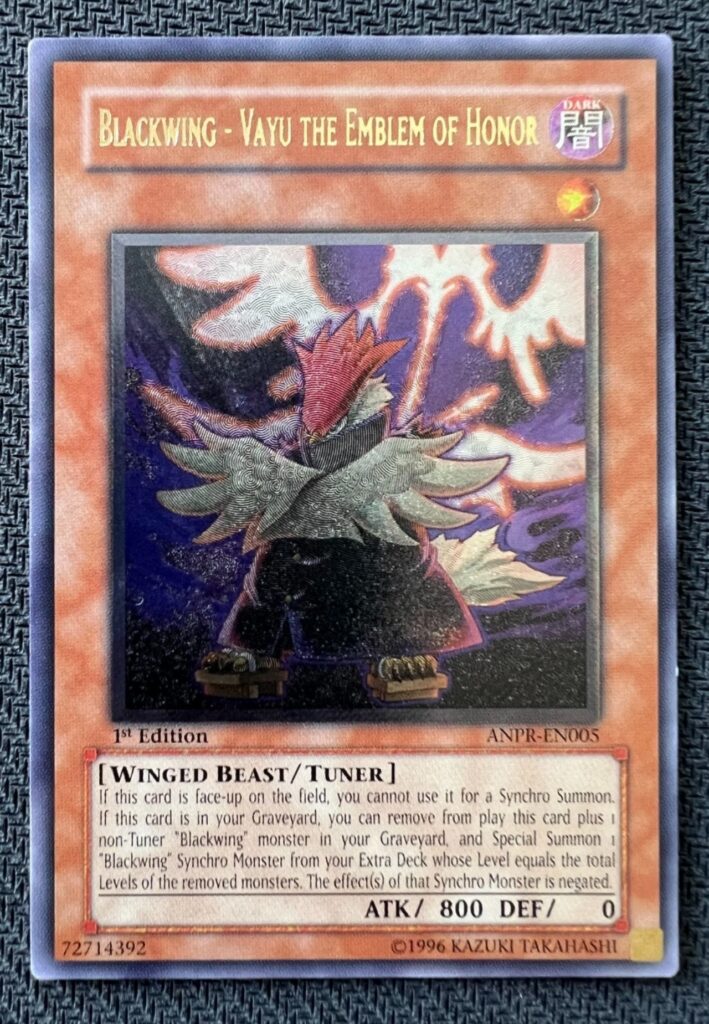
I remember one time getting a pack of Yugioh cards when I was younger at a Wal-Mart and imagining the cards randomizing and shuffling like a slot machine inside the pack. I knew I would open it but I just was daydreaming on whether the one pack I picked would have something good in it. I ended up pulling an Ultimate Rare Blackwing Vayu. I had a Blackwing deck so it was a sick addition to my collection. My dad then helped me sell it on eBay for $80. I wish I didn’t sell it, lol.
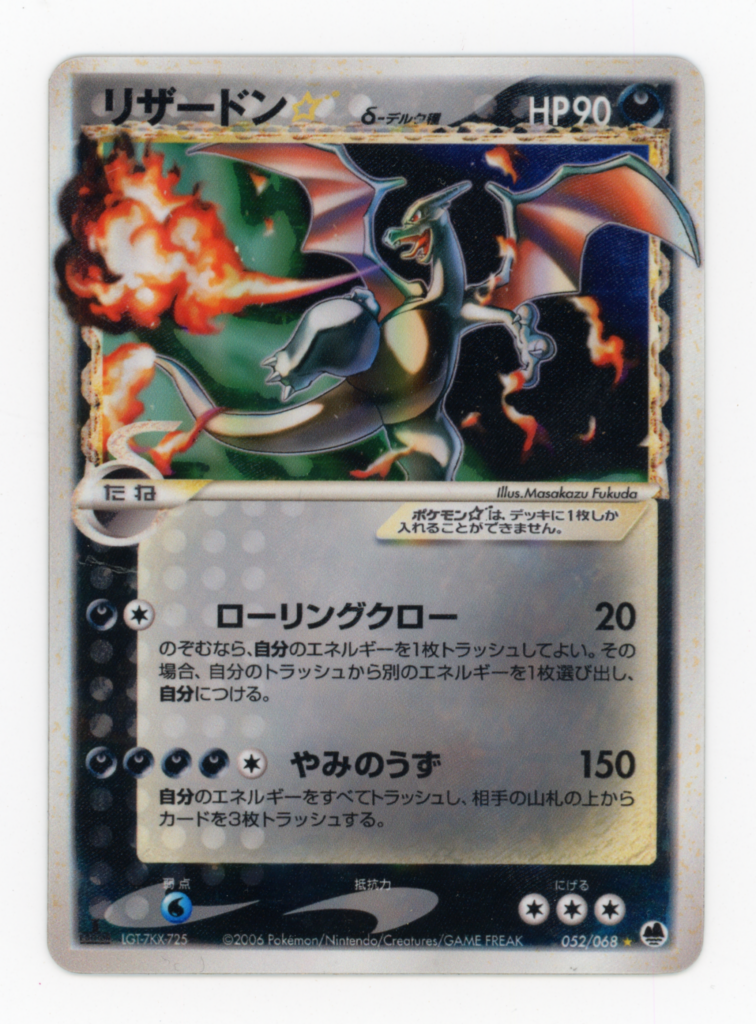
BMAG: For Card NFT 2, you strip the ink off real vintage holographic Pokémon cards, objects whose whole market value rests on condition, and print new art on the bare foil. You’ve even mentioned a desire to print recreations of ultra-expensive Gold Star cards convincing enough to fool people at card conventions.
In the Philip K. Dick book The Man in the High Castle, a manufacturer of fakes holds up two identical Zippo lighters, except one was in Franklin Roosevelt’s pocket when he was assassinated (in Dick’s alternate history). One has what he calls ‘historicity’ or aura. The entire collecting world, graders, slabs, provenance, is an industry built to solve that problem. Convincing fakes prove the eye can be fooled. So what does destroying a potentially valuable card create? And what is a forgery in the hands of an artist?
EB: In Hunter x Hunter there is a scene before they are going to the auction in Yorknew City where they are at a flea market of sorts looking at vases and antiques. They discover that objects have an energy aura that can be seen around them. This signifies to them that something has lived some history and possibly has value for them to buy it at a low price and resell it.
I think it’s true that objects have this energy and aura to them. And even in art pieces/paintings the artist is focusing their attention directly on a single point so an item can become powerful in that way.
I think it’s interesting to break these false barriers of intellectual property and almost sort of organically represent or recreate an object as powerful as a Gold Star Charizard. You could even relate it to apprentices making master copies of their favorite artist’s work. These aren’t solely done with skill. It has a lot to do with your love of the artist and your intention to make yours just as beautiful as the original.
To me certain cards I own are sacred because of the memories made with them or the meaning they have to me. It’s like with an NFT I would never burn one just to destroy it. Lately I’ve been buying a lot of damaged mid-era and WOTC cards and printing collage over to breathe new life back into them. I collect old paper to print and draw on in the same way and I appreciate that they have lived a life longer than my own without being marked or drawn on at all.
I was born in 1996 the same year as Pokémon and I’ve been enamored by the artwork, games and cards my whole life. It’s not a coincidence that it’s inspired my whole career and identities in multiple ways. A very well coordinated psychic operation has taken hold of my generation’s minds! Lol
card nft 2 – 2026
BMAG: Hito Steyerl defended the poor image, the compressed copy that circulates everywhere, detached from its origin. Trading cards run the inversion. Thousands of images circulate, only one gets attention, and the bulk commons exist mostly to manufacture the aura around the single chase card. You’ve said you always try to break rarity standards. Why does it matter to you that the cheap card can be the best one?
EB: It really is just about making the best images. While I can agree with you on modern stuff being generally filler and uninteresting, going through mid-era or vintage bulk is very enjoyable to me. There are tons of unique artworks and cards that hit just as hard to me or even better than modern chase cards.
I would say most of the collectors in the Solana & adjacent scene agree with the sentiment that rarity doesn’t matter to them.
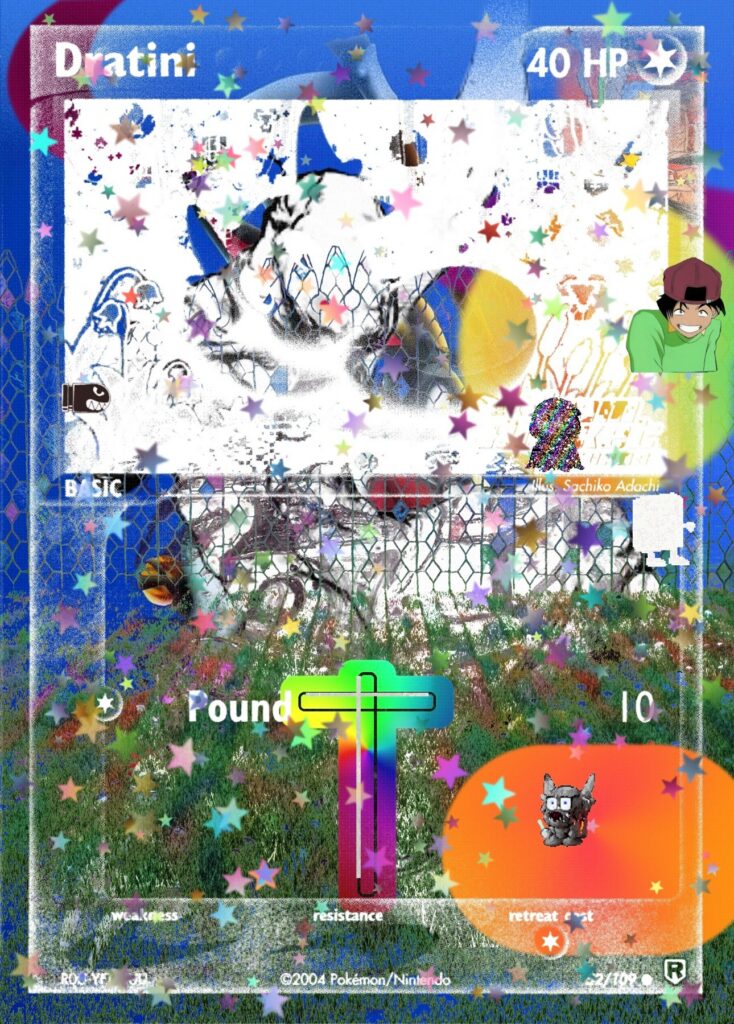
These Dratinis from Team Rocket Returns are two of my favorite cards even non holo.
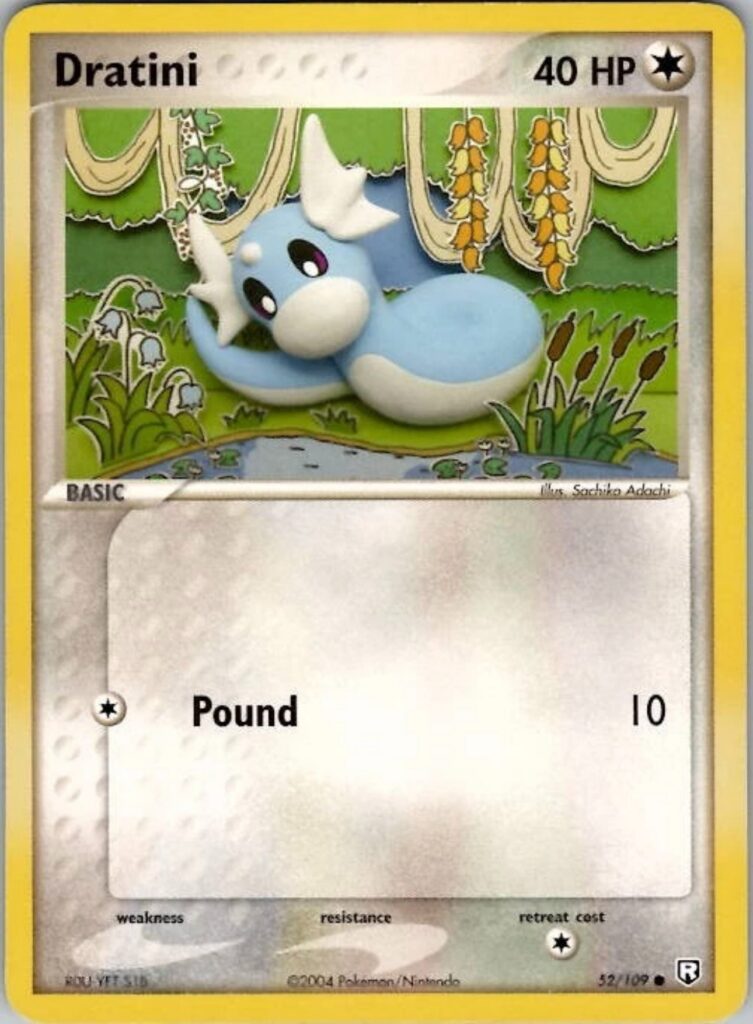
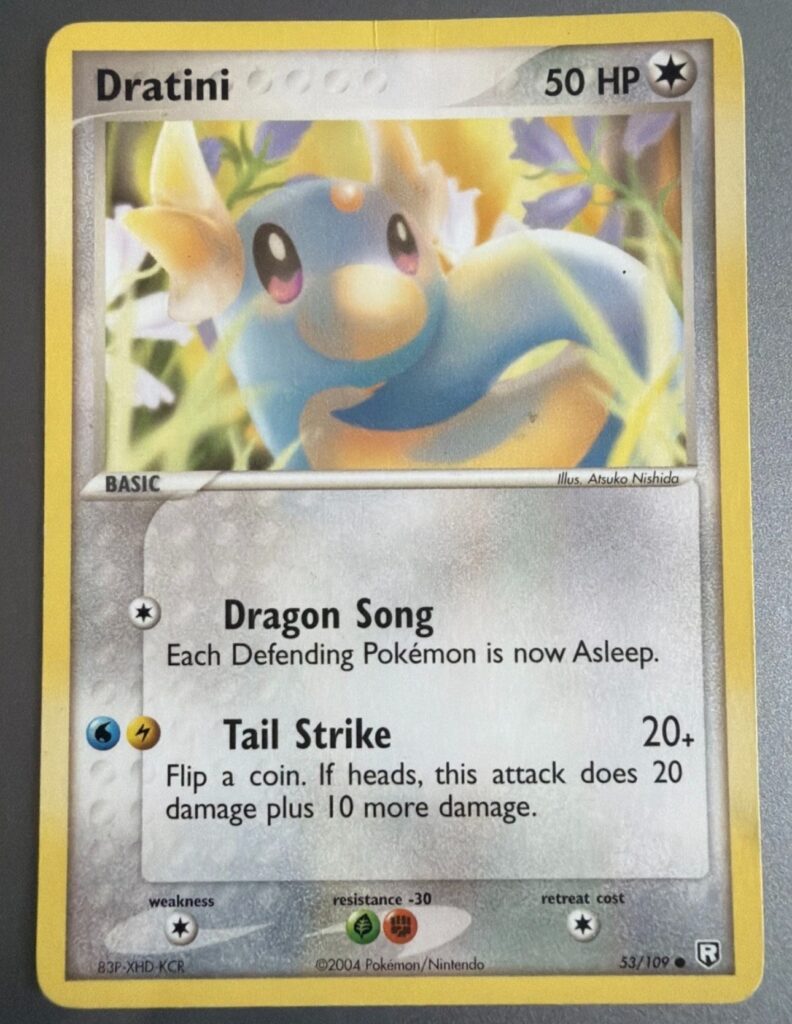
BMAG: The philosopher Jean Baudrillard never saw a card show, but he described one perfectly. In a mature enough market, he argued, the sign detaches from the thing. The chase card isn’t valuable because of its imagery, it’s valuable because of the system that produces its value, and the market ends up referring only to itself. Grade, price, then maybe the picture. Can the artwork still pull the eye back through all of that?
EB: Card 2 really put this to the test with multiple layers of rarity and subversion. There are 7,000 unique 1/1s printed on original cards, almost 4,000 ones that are printed with holographic texture, and a rare subset of 111 cards that are just pixelated mosaic blocks of color and these became sought after. There are also these gold gradient cards that I am printing front and back on metal. All of this and at the same time collectors really want Dratini/Drifella-themed cards, specifically the honor thy father CruciDrifella statue is one that a lot of people are/were looking for.
I even included some precious cards that I hand painted and added embellishments onto with a trait called ‘altered’.
I feel like a lot of my collections work on this level where people gravitate towards certain imagery and genuinely just buy what they love without fussing over rarity ranks or condition of cards. In fact for myself the more damaged a card the cooler it ends up looking when printed on.
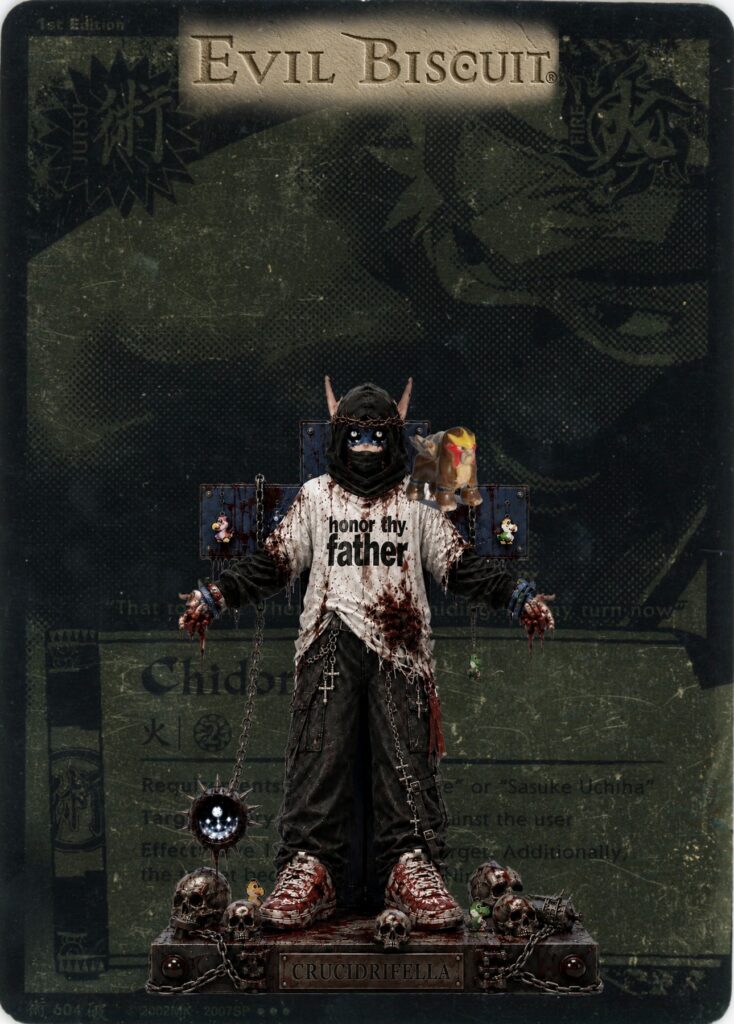
BMAG: The crucifixion sits at the center of your work: CruciDrifella, the death and resurrection cycles, imagery you’ve said you genuinely wrestle with. And the vessel you put it in is somewhat of a gambling object: packs, pulls, odds, speculation. The Bible has an opinion about mixing money with the sacred, and it resulted in a table-flipping meme. Do you feel that tension when you make these? Or is the pack where salvation and luck have always been confused for each other?
EB: I’m not really interested in debating the sins of modern society. This is some of the culture I grew up with and the ideas I want to play with at the moment. It’s funny because Pokémon themselves have this history of being demonized by Christians in the 90s for summoning monsters and having ritualistic occult battles.
I usually follow my intuition and subconscious interests when creating and it’s generally not something I think about while I work. It comes from a deep interest in theology and these symbols and archetypes are important to humanity and I don’t make light of them, but I am really not a dogmatic person. I am interested in play, working with new technology and conducting these elements together while making good images and stories.
I think it’s fun and real to have anime characters interact with serious subject matter and it’s cool for me to reproduce these Naruto or Pokémon trading cards that I enjoyed collecting when I was younger linking them with disparate assets like a Francis Bacon character or even blending & morphing them into my world with Drifellas. It’s similar to how the internet is thrown at us and how my mind and interests have intersected/mutated as I grew up looking at different art with new perspectives.
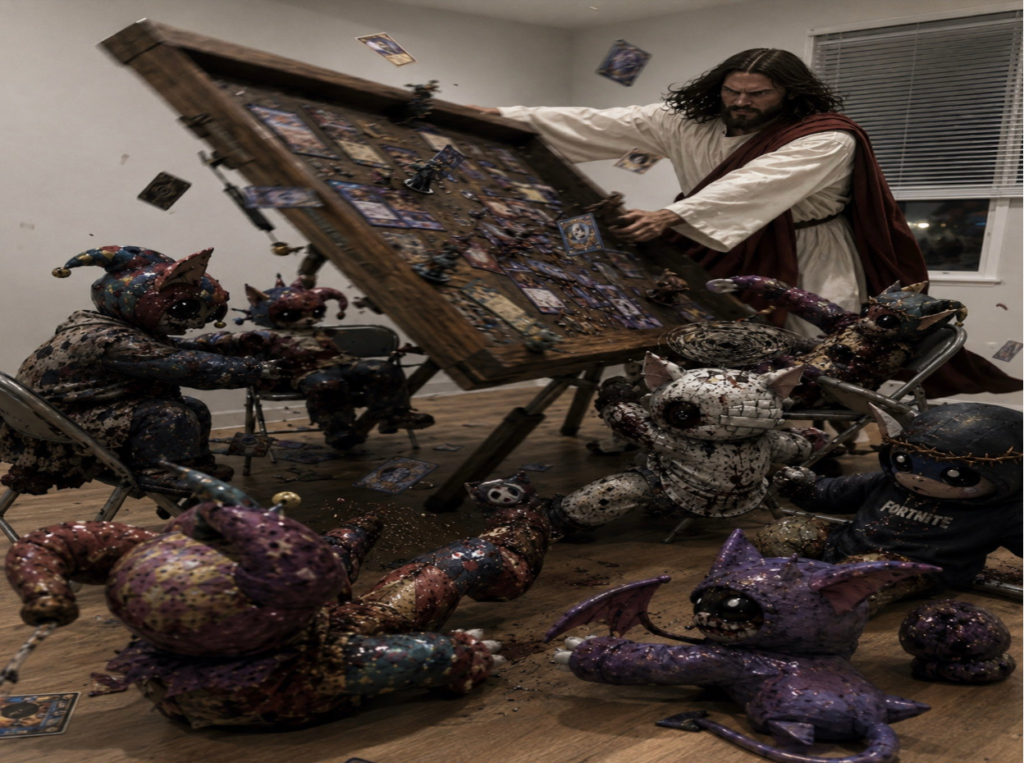
Right now reflecting on my work has been interesting and knowing that with all of these new tools you can generate an absurd amount of artwork to derive meaning from and peer into. I am looking at things as they come to me and asking myself why am I compelled to make certain images and if it’s genuinely important to me.
It leads me to contradictions like why I am drawn to adapt this imagery & tell this story of a demon dragon character. What does it speak of Dratini & the serpent in the Garden of Eden and how it ties to certain Gnostic Christian ideas? Drifella is this beast who’s been bastardized, bred and trapped in the lower dimensions as a jester entity but he is still an innocent teenager attempting to invert what he was turned into, transforming himself into an emissary of light and dark for Jesus.
I don’t identify with any particular religious tradition but I revere Christ and consider his teachings the highest standard for humanity — a lot of which is needed now; rejecting materialism, teaching self love and knowledge, and being a light shining in darkness. I look forward to exploring these ideas in the future as I make more art.
Evil Biscuit’s cards appear in PoorTraits: serfs_up, the first official Bitcoin Conference card pack, in an edition of 5,000. Every pack contains one holo chase card, with 100 free GA passes and a Whale Pass hidden across the run. Packs are available for purchase online, or in-person in Hong Kong.
The BMAG Card Expo runs August 27 and 28 at the Hong Kong Convention and Exhibition Centre as part of Bitcoin Asia 2026: 40+ trading card vendor marketplace, live Pokémon TCG tournament presented by Moonroad HK with HK$19,000 prize pool, graded artist cards on view, auctions, and main stage panels with collecting luminaries David Chau and AJ Scaramucci.
Use code MEGAGA for a discount on Bitcoin Asia tickets.
Follow Evil Biscuit on X/Twitter here.
This post The Pack Is the Painting: Evil Biscuit and the Schizocollage Movement Come to Hong Kong first appeared on Bitcoin Magazine and is written by Dennis Koch.